
The Lasting Cost of Roadside Spraying
Silent SpringThis flow follows the conflict between blanket vegetation removal and selective management of roadsides.
increasing Bearing strength in each event
 decreasing
Bearing strength in each eventdecreasingRoadside Vegetation Is Targeted
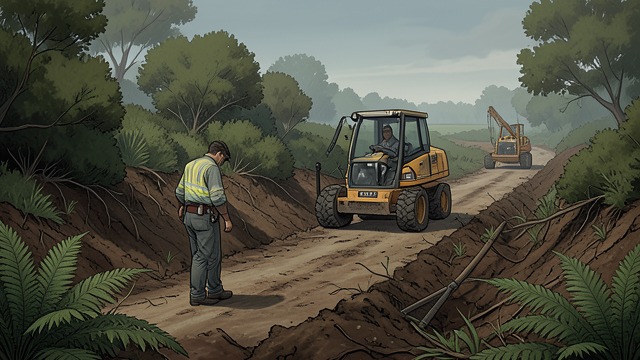
Brush Becomes a Problem
A Municipal Practice
Towns and transportation agencies increasingly used herbicides to clear roadside vegetation. Chemical treatment appeared cheaper and easier than repeated mowing.
A Narrow Definition
The campaign treated shrubs, ferns, and wildflowers as unwanted growth, even where they did not obstruct drivers or wires. Carson questions the assumption that every plant near a road must be removed.
Brown Roadsides Draw Protest

Beauty and Public Cost
A Visible Change
People traveling through New England and Maine reported brown, withered roadsides where wildflowers and native shrubs had once flourished. The visual loss challenged claims that spraying was an uncomplicated improvement.
Civic Value
Carson treats beauty and tourism as legitimate public interests, not luxuries irrelevant to management. The altered landscape made the consequences of a routine chemical program visible to residents and visitors.
Wildlife Habitat Shrinks
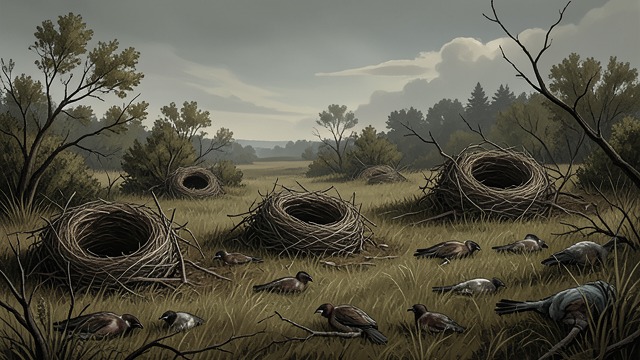
The Wider Ecological Loss
Food and Shelter Removed
Hedgerows and roadside plants provided food, cover, and nesting areas for birds and small animals. Many shrubs also supplied pollen and nectar to pollinating insects.
Agricultural Dependence
Wild bees helped pollinate crops and uncultivated plants. Removing their habitat could therefore weaken services on which both wild vegetation and farming depended.
Selective Spraying Offers a Test
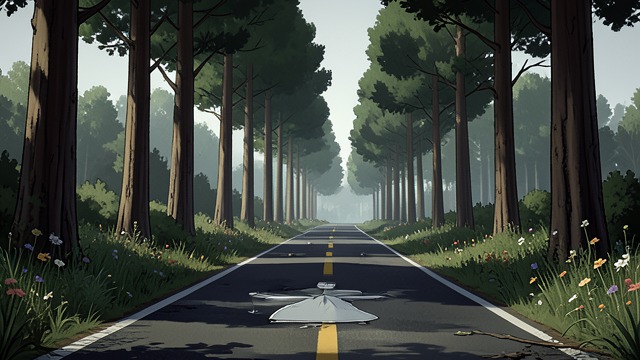
Treat Trees, Preserve the Rest
A Different Objective
Frank Egler’s approach focused on tall woody plants that could obstruct sightlines or interfere with utility wires. It preserved low shrubs, ferns, and wildflowers rather than clearing everything but grass.
Stability Instead of Repetition
The method relied on the resistance of established shrub communities to tree invasion. Carefully directed treatment could stabilize vegetation and reduce the need for yearly spraying.
A Public Choice About Cost
Custom or Evidence
Long-Term Savings
Research sites showed that selective treatment could require no respraying for many years. Blanket spraying continued in many places despite higher recurring costs and ecological damage.
Taxpayers as Decision-Makers
Carson argues that residents would question annual programs if they understood that a selective method might last a generation. The dispute is about both environmental judgment and public spending.
As herbicide use expanded after the 1940s
During the late 1950s and early 1960s
As roadside spraying became routine
After Frank Egler’s method was developed
Near the end of Chapter 6
